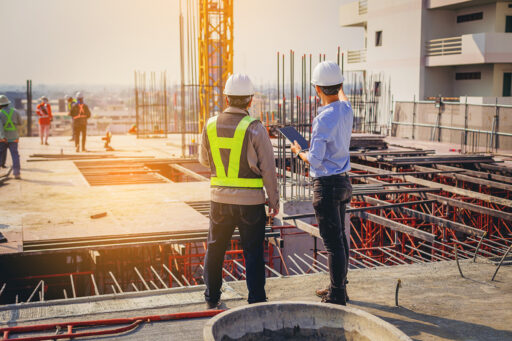
Claims Retrospective—Transparency in Construction Observation Services Is the Best Policy
Engineering services often include commenting on construction work, either while the work is ongoing or after it is completed. It is not unusual for engineers to comment on whether the work appears to be in general conformance with the contract documents or even if it appears to be structurally sound. Under certain circumstances, engineers may observe the construction work via photographs or video rather than in person. In most of these situations, the engineer is not required by law to view the work in person in order to make their comments.
Nevertheless, when property owners or clients discover that the engineer who made the statements in a progress report, compliance letter, or similar document was never physically present on-site to review the construction work, they often believe that something nefarious has occurred and accuse the engineer of wrongdoing.
Further, where an engineer’s written statements cause the reader to believe that the engineer was physically present on-site to view the work, it can be difficult to defend the ensuing claims, which often involve not only allegations that the engineer was negligent, but also that the engineer engaged in fraud.
Therefore, it is best practice for the engineer to state the source of their knowledge in the written report or letter. If an engineer is working from photographs or video, they should simply state so in the written document.
If the engineer states in the written document that they formed their opinions and/or conclusions after reviewing photographs or video supplied by the contractor, the reader of the document will know the basis of the engineer’s knowledge upon reading the document. The reader cannot claim to have been duped or misled as to the nature of the engineer’s involvement, as it is set out in the very document on which the reader or potential claimant is likely to be relying.
Transparency is the best practice when viewing construction work remotely, as it not only allows engineers to avoid future claims, but it also builds a level of trust with those involved in the projects.